Take it from one who started later in life….
Your paycheck has taxes, benefits, and a quiet pressure attached to it. Not pressure to be perfect—but pressure to not screw this up. Because deep down, you know this is where habits start forming.
Most people don’t make a bad financial decision in their 20s.
They make no decision at all.
They tell themselves they’ll “start later,” once they make more, once life slows down, once they understand investing better. And then later turns into a decade.
“Stash cash in a 401(k), dodge 30% in taxes, grab the match, and watch your money level up on autopilot.” Ken Hubbard, Publisher The Letter
This isn’t about becoming rich overnight. It’s about not waking up one day wishing you’d started when it was easy.
This Isn’t About Retirement (Yet)
When you hear “IRA” or “401(k),” it probably sounds like something meant for future-you with gray hair and joint pain.
But here’s the real truth:
This is about flexibility and freedom in your 20s and 30s, not just retirement.
Done right, these accounts help you:
- Buy a house without feeling trapped
- Handle unexpected expenses without panic
- Avoid living paycheck to paycheck longer than necessary
So let’s talk about this like real people.
The Two Accounts You Need to Understand (No Finance Degree Required)
The Roth IRA: The One That Makes Sense Early
If you’re in your 20s, the Roth IRA is usually your best starting point.
Why? Because you’re probably in a lower tax bracket right now. A Roth lets you pay those lower taxes today and then grow your money tax-free forever.
Here’s the part most people don’t tell you:
The money you put in (your contributions) isn’t locked away. You can take it out later without penalties if life happens—like a first home purchase or a real emergency.
That flexibility matters more than you think.
The 401(k): The “Free Money” Account
Your 401(k) comes from your job. The big benefit?
If your employer offers a match, they’re literally giving you free money for investing.
You should almost always contribute enough to get the full match. Anything less is leaving part of your paycheck on the table.
That said, you don’t need to dump everything into your 401(k) immediately. Balance matters early on.
The Smart (Not Overcomplicated) Way to Start
Here’s a simple approach that works for most people in their 20s:
- Contribute to your 401(k) up to the employer match
- Start funding a Roth IRA
- Increase both gradually as your income grows
You don’t need to max anything out. You just need consistency.
Think less “all-in” and more “show up every month.”
“But I Want to Buy a House Someday”
Good. Then starting now actually matters more.
A Roth IRA isn’t just a retirement account. It can be a bridge. Because you can access your contributions—and in some cases a portion of earnings for a first home—it gives you options without forcing you into debt or bad timing.
People who start early don’t feel forced to choose between saving for retirement and living their life. They quietly build both.
Stuff No One Warns You About (But You Should Know)
This is the part where people mess up—not by doing too much, but by doing the wrong things quietly.
Fees Matter More Than You Think
Every fund charges a small annual fee. It sounds harmless—fractions of a percent—but over decades, high fees quietly eat thousands of dollars that should’ve been yours.
That’s why low-cost index funds matter. They don’t try to outsmart the market. They simply own it, cheaply and consistently.
You Don’t Need Fancy Investments
Hot stock picks, crypto hype, and “next big thing” funds are distractions. Simple wins over time.
Some solid, beginner-friendly companies known for low fees:
- Fidelity– Great for beginners, no minimums on many funds
- Fidelity ZERO Total Market Index (FZROX)
- Fidelity 500 Index (FXAIX)
- Vanguard– The gold standard for low-cost investing
- Vanguard Total Stock Market ETF (VTI)
- Vanguard S&P 500 ETF (VOO)
- Charles Schwab– Simple, clean, and low-cost
- Schwab S&P 500 Index Fund (SWPPX)
- Schwab Total Stock Market Index (SWTSX)
You don’t need all of these. One or two broad, low-cost funds is enough to get started.
Cash Sitting Idle Is Still a Decision
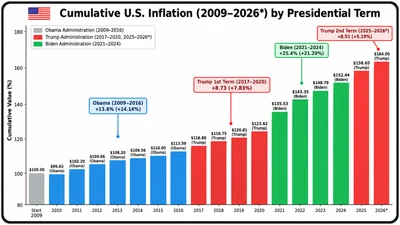
Money sitting in cash feels safe—but inflation quietly reduces its buying power every year. Investing early doesn’t require being aggressive. It just requires not letting time slip by unused.
The Biggest Mistake Isn’t Picking the Wrong Fund
It’s waiting.
Starting with $50 or $100 a month now beats starting “big” five years later. Every time.
So What’s the Real Point?
You don’t need to know everything. You don’t need to predict markets. You don’t need to be a finance person.
You just need to start.
Open the account. Pick a simple, low-cost fund. Set an automatic contribution. Let time do the work.
Your future self doesn’t need you to be perfect—just consistent.
Start now. It’s simple. You’ll thank yourself later.