Investing in vintage cars can feel like stepping into a world of chrome, nostalgia, and roaring engines—but beneath the beauty lies a market that can be just as volatile as stocks. While some collectors strike gold, others find themselves sinking money into vehicles that never appreciate. The difference often comes down to discipline, research, and a clear understanding of what actually drives value.
At its core, vintage car investing is about scarcity meeting demand. Not every old car is valuable, and age alone does not guarantee appreciation. The vehicles that perform best over time are those that combine rarity, historical significance, brand prestige, and strong collector interest.
Start With the Right Mindset
Before putting a dollar into the market, investors need to shift their thinking. This isn’t just about buying something “cool”—it’s about treating a car as a tangible asset.
Successful investors approach vintage cars with:
- A long-term horizon (5–10+ years)
- A willingness to hold through market cycles
- A focus on preservation, not constant modification
- A clear budget that includes maintenance and storage
Emotional purchases are one of the fastest ways to lose money. If you’re buying purely because you “love the car,” you’re already introducing risk.
Buy Quality, Not Projects
It’s tempting to pick up a “barn find” or restoration project at a low price, but this is where many investors go wrong. Restoration costs can quickly spiral out of control, often exceeding the final value of the car.
Instead, prioritize:
- Fully restored vehicles with documented work
- Original, unrestored cars in excellent condition
- Vehicles with matching numbers (engine, transmission, VIN)
- Cars with minimal aftermarket modifications
A higher upfront cost often leads to lower total investment risk. In many cases, the cheapest car becomes the most expensive one you’ll ever own.
Understand What Drives Value
Not all vintage cars appreciate equally. Certain factors consistently separate high-performing investments from stagnant ones.
Key value drivers include:
- Rarity: Limited production models or special editions
- Brand prestige: Porsche, Ferrari, Mercedes-Benz, and classic American muscle
- Provenance: Ownership history, celebrity ties, or racing pedigree
- Originality: Factory parts, paint, and documentation
- Cultural significance: Cars tied to specific eras or movements
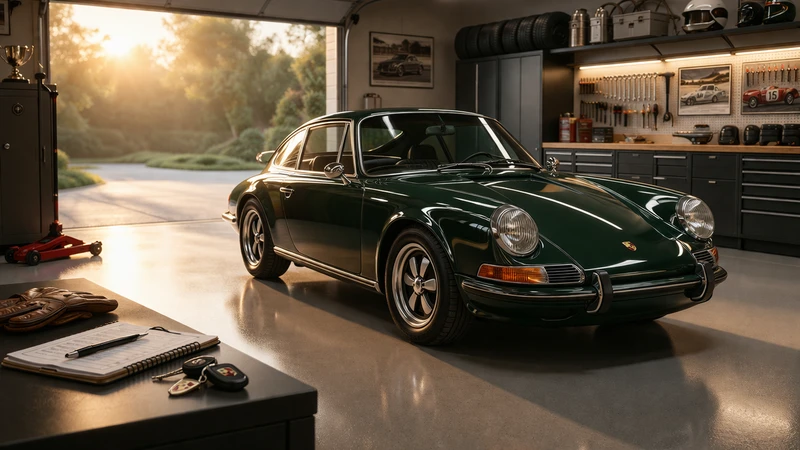
For example, a rare Porsche 911 with full documentation will almost always outperform a heavily modified, common production model.
Condition Is Everything
Condition is often the single most important factor in determining value. Even rare cars can underperform if they’ve been poorly maintained or improperly restored.
Look for:
- Original paint or high-quality period-correct repaint
- Clean interior with minimal wear
- Rust-free body and frame
- Complete service records
Be cautious of over-restoration. While a car may look perfect, using incorrect parts or finishes can actually hurt its value among serious collectors.
Timing the Market
Vintage car markets move in cycles, often influenced by generational trends. Cars that were popular in one era may fall out of favor, only to surge again later as new buyers enter the market.
To stay ahead:
- Monitor auction results (Barrett-Jackson, RM Sotheby’s, Mecum)
- Follow collector forums and enthusiast communities
- Track which models are gaining attention among younger buyers
A smart investor doesn’t chase hype—they anticipate it.
Don’t Overlook Ownership Costs
One of the biggest mistakes new investors make is ignoring the true cost of ownership. Even if a car appreciates, expenses can eat into profits if not managed properly.
Key costs to consider:
- Climate-controlled storage
- Insurance (often higher for collectible vehicles)
- Routine maintenance and servicing
- Transportation and shipping
- Restoration or repair work
These costs can add up quickly, so they must be factored into your overall investment strategy.
Storage and Preservation Matter
Proper storage isn’t just about keeping a car clean—it’s about protecting its value.
Best practices include:
- Climate-controlled garages to prevent rust and deterioration
- Regular engine starts and fluid checks
- Professional detailing and protective coatings
- Keeping thorough maintenance records
A well-documented, properly stored vehicle will always command a premium when it’s time to sell.
Diversify Within the Market
Just like any investment portfolio, diversification reduces risk. Instead of putting all your capital into a single vehicle, consider spreading it across different segments.
Options include:
- Classic American muscle cars
- European sports cars
- Vintage trucks or SUVs (an emerging trend)
- Limited-edition or anniversary models
This approach helps balance your exposure to shifts in collector demand.
Know When to Walk Away
Discipline is what ultimately separates successful investors from hobbyists. Not every deal is worth pursuing, and sometimes the best move is no move at all.
Walk away if:
- The car lacks documentation
- The seller cannot verify authenticity
- Restoration work appears questionable
- The price doesn’t align with market comps
Patience is often more profitable than action.
The Bottom Line
Vintage car investing can be both financially rewarding and personally satisfying—but only if approached strategically. Focus on quality over quantity, prioritize authenticity, and stay informed about market trends. With the right mindset and discipline, you can enjoy the thrill of ownership while protecting your investment—and avoid losing your shirt in the process.