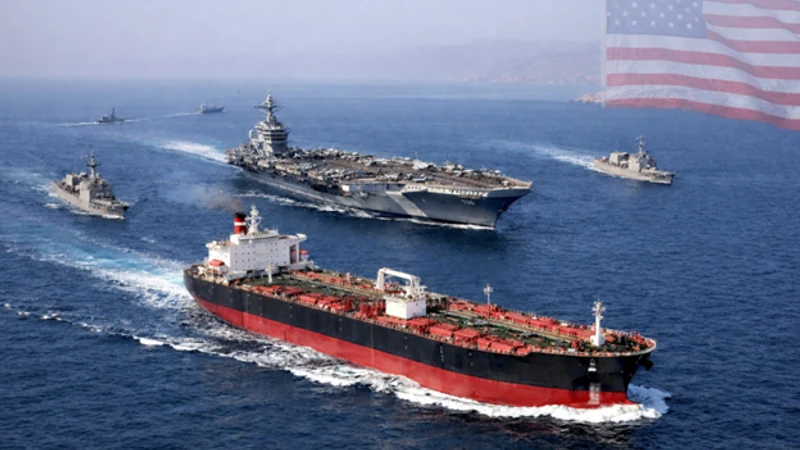
Fear is the only emotion commodity traders truly love. Just the idea of a ship not making it through a water way brings disastrous financial consequences for consumers. But not the companies that are manufacturing the crisis. We need to be aware of the reality that we have to deal with these profiteers. They look for every reason to take, and no reason to help us. That being said, let’s dig in.
With Brent crude “defying gravity” at $115 per barrel and the Strait of Hormuz effectively throttled, the global economy is facing its most significant energy supply shock in a generation. For the average consumer, this is "pain at the pump." For the strategic investor, it is a massive realignment of capital.
While the headlines focus on the immediate volatility, the real opportunity lies in identifying the assets that capture the "scarcity premium" created by Middle Eastern turmoil. We aren’t just looking for oil to go up; we are looking for the companies that thrive when the world’s most critical energy artery is severed.
The "Toll Booth" Strategy
In a supply crisis, volume is king. Midstream infrastructure companies—the "toll booths" of the energy world—offer a unique combination of high yield and defensive positioning. As of March 2026, Energy Transfer (ET) is yielding a staggering 7.2%, providing a natural dividend offset to rising fuel costs. Meanwhile, Enterprise Products Partners (EPD) continues its 27-year streak of dividend increases, yielding 6.2%.
"The 2026 'Energy Offset' isn't just a hedge—it’s a necessity. If your annual fuel costs have risen by $2,000, a $30,000 position in high-yield midstream assets doesn’t just cover the bill; it turns a geopolitical liability into a cash-flow positive engine."
The Refining Lag
Investors often overlook the "crack spread"—the profit margin refiners make by turning crude into gasoline. When crude spikes, refiners like Valero (VLO) initially see margin expansion as pump prices rise faster than their inventory costs. With Valero up 26% in the last 30 days, the market is betting on a prolonged period of high refined-product demand.
"In 2026, the 'Energy Offset' isn't just a hedge—it's a necessity. If your annual fuel costs have risen by $2,000, a $30,000 position in high-yield midstream assets doesn't just cover the bill; it turns a liability into a cash-flow positive engine."
Tactical Momentum vs. Structural Shifts
For those expecting a short-term resolution (a "flash in the pan"), high-beta explorers like Sable Offshore (SOC) and Kosmos Energy (KOS) offer the most aggressive upside, with Kosmos up 188% year-to-date. However, the smart money is also eyeing the exit. If the EIA forecasts for a 2026 supply surplus hold true, these gains could evaporate the moment the Strait reopens.