The Retiree’s Dilemma: Your Money Needs to Work, But Bonds Aren't Cooperating
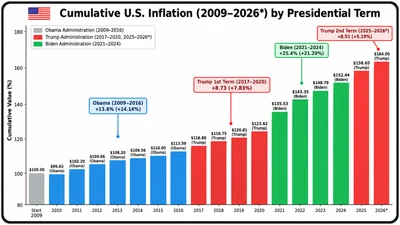
I spent over 30 years building a career and a nest egg. I followed the rules: I saved diligently, invested wisely, and built what I thought was a durable, diversified portfolio. When I finally retired, I expected the fixed-income portion of that portfolio to provide a steady, predictable stream of cash flow. Instead, I found that traditional bonds were paying so little they were barely keeping pace with inflation. It felt like I was running in place.
It’s a frustration I hear from many of my peers. We need our savings to generate real income, but we’re not comfortable taking on the volatility of an all-stock portfolio. I looked into buying rental properties, but the thought of late-night calls about leaky faucets and the hassle of finding new tenants didn't sound like the relaxing retirement I’d envisioned. I needed an investment that produced income without requiring me to become a landlord or a day trader. My search led me to an area of private credit that I believe deserves more attention: merchant receivables.
What Are Merchant Receivables?
The concept is simpler than it sounds. Imagine a successful local restaurant that needs $50,000 for a new oven to expand its catering business. A traditional bank loan might be slow and difficult to secure. Instead, the restaurant can get a merchant cash advance (MCA).
In this arrangement, an investment firm provides the $50,000 upfront. In return, the restaurant agrees to pay back a slightly larger amount—say, $60,000—by automatically remitting a small, fixed percentage of its daily credit card sales. For an investor, buying into these advances means you are essentially purchasing a business's future sales at a discount.
The payments flow in daily or weekly as the business makes sales, and the entire advance is typically paid back in under a year. This is a form of short-term financing for established small businesses, and for investors, it can be a source of consistent cash flow.
Why This Appeals to an Income Investor
When I first learned about this space, a few things stood out to me as a compelling alternative to my underperforming bonds:
- Higher Potential Yield: The returns offered are generally much higher than what you can find in the public bond market. While this comes with different risks, the potential for meaningful income is significant.
- Short Duration: Unlike a 10-year bond that locks up your capital, these advances are typically repaid in 6 to 12 months. This reduces your exposure to interest rate risk and means your capital is returned to you relatively quickly.
- Low Correlation to the Stock Market: The success of a local pizzeria or dental office isn't directly tied to the daily swings of the S&P 500. This provides a genuine source of diversification that helps smooth out your portfolio’s returns.
- Truly Passive Income: Once the investment is made, the cash flow is collected automatically. There are no tenants to manage, no properties to maintain, and no market tickers to watch.
The Right Way to Approach This: The Power of Diversification
Of course, there are no free lunches in investing. The primary risk here is straightforward: the small business could fail and be unable to pay back the advance. This is not a government-backed bond, and there is a real risk of loss on any single advance.
This is precisely why I would never attempt to do this on my own by funding a single business. The thought of vetting hundreds of businesses, analyzing their cash flows, and managing collections is a full-time job—the very thing I retired to escape.
The only sensible way for an individual investor to access this asset class is through a managed fund or platform. A professional manager diversifies your investment across hundreds, or even thousands, of different small businesses in various industries and geographic locations. They handle all the critical work of underwriting, monitoring, and servicing the advances. If one business defaults, the impact on the overall portfolio is minimized. It’s the same principle as not putting all your eggs in one basket, applied to an income-producing asset.
Building a Portfolio for Your Life
For decades, my portfolio was built for accumulation. Now, in retirement, it needs to be built for distribution—for providing income that allows me to live comfortably without drawing down my principal too quickly. Traditional bonds may still have a place, but for a portion of my portfolio, I need something that works a little harder.
A professionally managed portfolio of merchant receivables offers an intriguing solution. It’s an opportunity to generate passive, high-yield income that isn’t tied to the whims of the stock market. It’s one of the ways I’ve helped make my portfolio work for my life, and not the other way around.
This article is for informational purposes only and is not intended as investment advice. Alternative investments carry specific risks. You should consult with a qualified financial advisor to determine if such strategies are suitable for your individual circumstances.