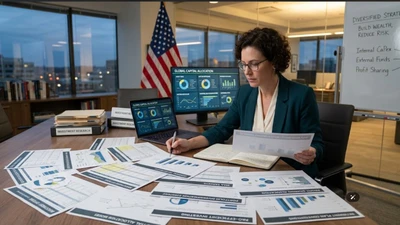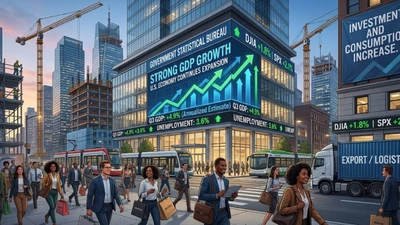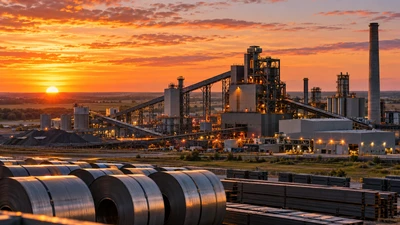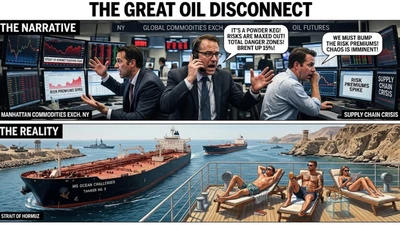
The venture and private equity playbook is undergoing a structural shift. For over a decade, capital allocators chased zero-marginal-cost software—SaaS models built entirely in the cloud. But as enterprise software valuations face multiple compression and market saturation, forward-looking investors and operating executives are directing capital toward a vastly larger, historically underserved asset class: the physical economy.
We are witnessing the rise of High-Velocity Industrial Tech—the intersection of software-defined intelligence and modern industrial assembly ("atoms-meets-bits"). Driven by acute trade labor shortages, volatile raw material pricing, and geopolitical imperatives, capital is moving aggressively into physical platforms that fundamentally compress build cycles, reduce field risk, and optimize unit economics.
Modern Construction Assembly: Moving the Factory Floor to the Jobsite
The commercial and residential construction sectors have suffered from negative productivity growth for decades. Traditional stick-frame construction relies heavily on site-built assembly, leaving projects exposed to unpredictable weather, supply chain friction, and a severe deficit of skilled tradespeople.
To break this bottleneck, developers and institutional builders are turning to Advanced Structural Manufacturing:
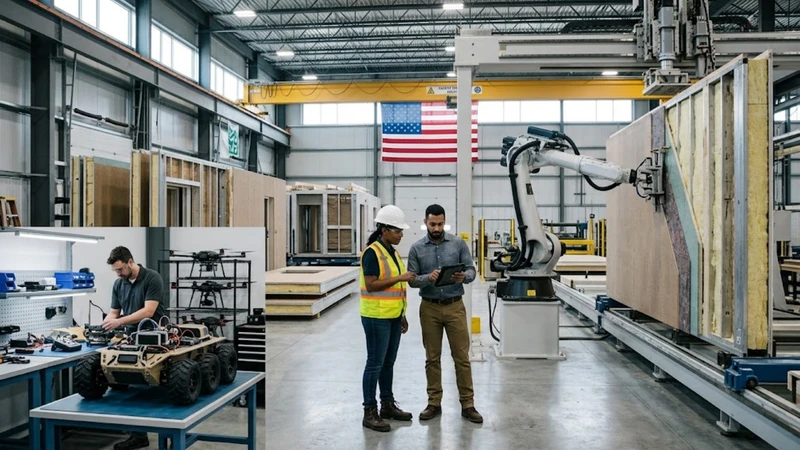
Structural Insulated Panels (SIPs) & Advanced Wall Systems: High-performance wall and roof assemblies engineered off-site deliver superior thermal performance, high shear strength, and precise quality control. By moving structural framing into a controlled manufacturing facility, regional panel fabricators produce wall units that arrive on-site pre-engineered and ready for immediate placement.
Radical Labor Compression: Off-site panelization reduces required field framing labor by 40% or more. By replacing slow stick-built methods with automated precision assembly, general contractors can erect structural envelopes in days rather than weeks.
Compressed Cycle Times: Cutting total build timelines in half dramatically lowers construction loan carry costs, reduces weather risk, and accelerates time-to-occupancy—delivering higher Return on Invested Capital (ROIC) for developers and builders alike.
Defense Tech & Dual-Use Systems: Real-Time Telemetry and Edge Hardware
The same force driving automation on the factory and building floor—the need for high-velocity, reliable hardware—is transforming defense and operational technology. Government procurement initiatives are prioritizing dual-use platforms that combine robust physical design with advanced real-time data feeds.
Autonomous Hardware & Uncrewed Systems: Modern industrial and military operations rely on specialized hardware engineered to operate autonomously in harsh environments.
Real-Time Edge Telemetry: High-speed data pipelines and streaming analytics allow operators to monitor stress, track asset performance, and run predictive maintenance diagnostic routines directly at the edge—eliminating downtime and boosting operational uptime.
Dual-Use Adaptability: Technologies developed for defense applications—such as ruggedized sensor arrays, automated assembly processes, and edge analytics—find rapid commercial application in logistics, structural monitoring, and heavy manufacturing.
The Investment Thesis: Value Creation Across the Capital Stack
Capturing returns in industrial tech requires matching the right capital structure to the underlying risk profile of the business. Investors are evaluating opportunities across two distinct return tracks:
Venture / Growth Equity (Proprietary IP Platforms) – Target: 3x–5x MOIC
Focus: High-margin software integrations, proprietary manufacturing processes, defendable hardware/SIP patents, and scalable automated manufacturing tech.
Examples: Full-stack software/hardware integrations, advanced panelization equipment design, and real-time edge telemetry networks.
High-Yield Growth Equity / Private Credit (Regional Fabricators) – Target: Consistent Cash Flow & Outsized Yield
Focus: Regional market expansion, high capacity utilization of fabrication plants, long-term developer supply agreements, and direct labor savings.
Examples: Off-site panel manufacturing facilities, regional structural assembly plants, and specialized component distribution.