Markets feel confident again. Stocks hover near highs, volatility is subdued, and the dominant narrative remains that innovation — particularly artificial intelligence — will continue to power corporate profits and economic growth. But seasoned investors understand that confidence and complacency often look the same in real time. The question today is not whether markets are strong. It’s whether they are priced for too much strength.
For average Republican investors — those who value fiscal discipline, strong balance sheets, and long-term capital stewardship — today’s environment calls for measured attention rather than excitement. There are several signals quietly shaping the next move.
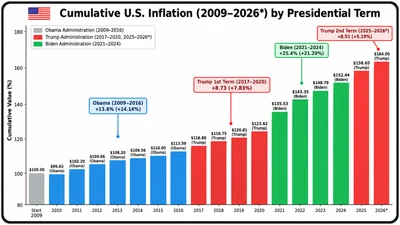
Inflation is cooling, but it is not conquered. The Federal Reserve remains cautious, and markets are still recalibrating expectations for when and how deeply rates may fall. Bond yields near 4% on the 10-year Treasury offer something investors have not had in years: meaningful income without speculation. For those who prioritize real returns and capital preservation, that matters. When safe instruments pay real yields, risk assets must justify their valuations more convincingly.
Meanwhile, equities continue to trade at elevated multiples, driven heavily by a narrow group of mega-cap technology names. Beneath the surface, however, there are divergences. Cyclical sectors, value stocks, and dividend payers are not as extended. This creates both risk and opportunity. If the AI narrative continues uninterrupted, growth names may justify their premiums. If earnings momentum cools or capital spending disappoints, leadership could rotate quickly — and sharply.
Global risks also sit just below the market’s daily focus. Energy markets remain sensitive to geopolitical developments. Any disruption that pushes oil meaningfully higher would reintroduce inflation concerns and test the Federal Reserve’s patience. At the same time, expanding deficits and ongoing fiscal negotiations in Washington underscore a longer-term reality: debt servicing costs are rising. That is not yet a crisis, but it is a constraint.
What makes today unique is not that risk exists — risk is constant — but that investor positioning suggests confidence is widespread. Surveys show heavy equity allocations and light bond exposure. That kind of consensus can be self-reinforcing on the way up, but fragile if surprised.
“When optimism becomes consensus, discipline becomes the investor’s greatest edge.”
Discipline does not mean pessimism. It means asking practical questions: Are earnings growth assumptions realistic? Are portfolios diversified beyond a handful of tech leaders? Is there adequate exposure to income-producing assets if volatility returns? It also means remembering that markets rarely announce turning points in advance. They whisper them in spreads, in yield curves, in subtle rotations beneath the headline indexes.
Republican investors in particular often emphasize resilience — strong cash flow, manageable debt, productive capital investment, and credible policy direction. Those principles apply to portfolios just as much as to governments. A balanced allocation that includes bonds, value equities, and international exposure alongside growth can reduce dependence on any single narrative.
Today’s market is not flashing red. But neither is it risk-free. The unseen data — positioning extremes, fiscal trajectories, earnings concentration — may matter more than the daily tick in the S&P 500.