Tariffs, energy dominance, and industrial revival — positioning ahead of Washington’s next economic chess move.
Washington is in motion again — tariffs back on the table, domestic manufacturing incentives expanding, regulatory priorities shifting, and fiscal discipline rhetoric tightening. Whether you love the direction or question the execution, one thing is certain: capital is moving ahead of policy.
For Republican investors, this is not a moment for emotional reaction. It’s a moment for strategic positioning.
The administration’s economic posture is increasingly clear: domestic strength, supply-chain sovereignty, energy independence, and technological supremacy. That framework creates friction in some sectors — and opportunity in others.
Trade & Tariffs: Strategic Pressure, Strategic Profit
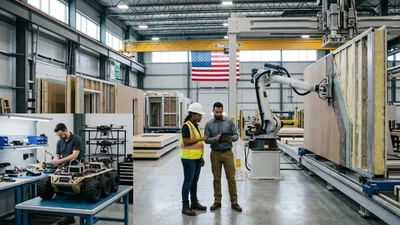
Renewed trade leverage — particularly with North American partners and strategic rivals — is less about protectionism and more about industrial positioning. The short-term volatility in manufacturing inputs and cross-border suppliers masks a longer-term theme: onshoring wins.
Domestic building materials. Defense components. Specialty manufacturing. Critical minerals.
Investors who understand that tariffs are often negotiating tools — not permanent economic walls — can position around the beneficiaries of reshoring momentum.
“The goal isn’t isolation,” a senior administration insider told The Letter. “It’s leverage. We want American companies building here, hiring here, and owning the supply chains that matter.”
Translation: capital expenditures in U.S. infrastructure and production are likely to accelerate.
Energy: The Quiet Compounding Machine
Energy policy continues to tilt toward expansion — pipelines, LNG exports, and traditional oil and gas remain central.
But here’s the nuance Republican investors shouldn’t miss: the energy story is no longer just drilling. It’s logistics, midstream, grid resilience, and storage.
The winners won’t only be the drillers. They’ll be the companies that move, store, and stabilize energy.
Defense & National Security Tech
With geopolitical tensions persistent and bipartisan support for military modernization, defense technology — especially AI-enabled systems, drone manufacturing, cybersecurity, and space infrastructure — remains structurally supported.
Expect procurement tailwinds to flow not only to primes, but increasingly to smaller subcontractors and early-stage innovators.
Early-Stage Companies to Watch
Policy shifts often create asymmetric upside in emerging players. Here are real companies that align with today’s themes:
Advanced Domestic Manufacturing & Industrial Tech
Hadrian (advanced aerospace manufacturing automation)
Building highly automated U.S.-based precision factories for aerospace and defense components — directly aligned with reshoring and military supply chain hardening.
VulcanForms (additive manufacturing / industrial 3D printing)
Producing complex metal components domestically using digital manufacturing — reducing reliance on overseas machining.
Re:Build Manufacturing
Focused on rebuilding U.S. industrial capability through advanced manufacturing acquisitions and modernization.
Bright Machines
Automation and micro-factory systems designed to localize production at scale.
Energy Infrastructure & Grid Resilience
Fervo Energy (next-gen geothermal)
Domestic baseload energy source that aligns with energy independence without regulatory hostility from either side of the aisle.
Form Energy (long-duration battery storage)
U.S.-based battery storage focused on grid resilience — critical as power demand surges.
TS Conductor
Advanced transmission conductors increasing grid capacity without rebuilding entire lines — ideal for rapid infrastructure upgrades.
Base Power (distributed energy storage platform)
Localized battery infrastructure improving grid stability.
Defense, Border & Security Technology
Anduril Industries
Autonomous systems, border surveillance, AI-enabled defense platforms. A direct beneficiary of expanded defense modernization.
Shield AI
Autonomous drone and aircraft AI systems used for national security applications.
Saronic Technologies
Autonomous surface vessels for naval operations — part of the next wave of maritime defense.
Skydio
U.S.-made autonomous drones, increasingly positioned as domestic alternatives to foreign-manufactured UAVs.
AgTech & Domestic Food Security
Pivot Bio
Biological nitrogen fertilizer replacement — reducing dependency on foreign fertilizer inputs.
Indigo Ag
Supply chain digitization and crop optimization technology.
Apeel Sciences
Food preservation tech reducing waste and strengthening domestic supply chains.
Plenty (vertical farming)
Domestic controlled-environment agriculture reducing import dependency.
The Macro Overlay
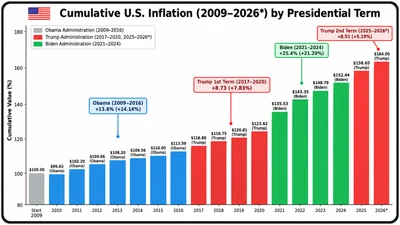
The Federal Reserve remains cautious, inflation is sticky but manageable, and yields are stable enough to keep capital flowing into productive assets rather than purely speculative trades.
Republican investors tend to prefer fundamentals over narrative. Right now, the fundamentals point toward:
- Hard assets over hype
- Domestic production over global dependency
- Cash flow visibility over story stocks
Final Take
This isn’t 2021 liquidity euphoria. It’s structural repositioning.
Policy is tilting toward national strength and domestic durability. That means investors willing to look past the headline volatility may find themselves positioned in front of the next industrial cycle — not chasing it after it’s obvious.
As one administration insider put it:
“This is about rebuilding leverage — economically and strategically. Investors who understand that will be early.”
And in this market, early beats loud every time.