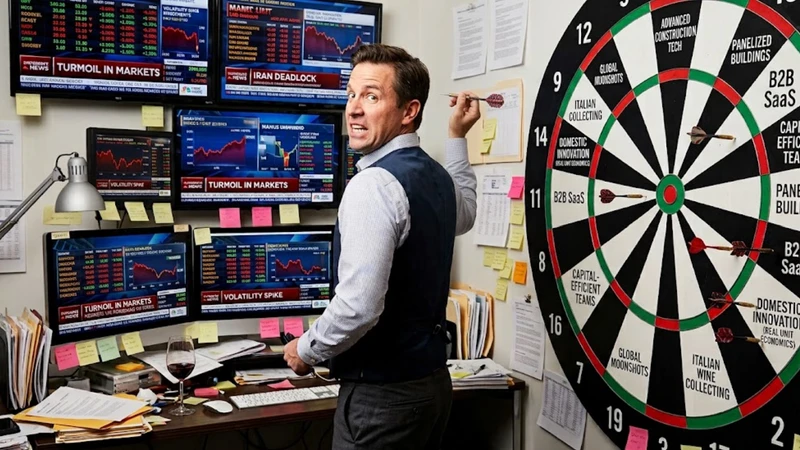
Between the geopolitical chessboard in the Middle East and the regulatory tug-of-war over artificial intelligence, this week’s market feels a bit like trying to sink a 30-foot putt on a freshly aerated green. It's bumpy, unpredictable, and easy to overthink. But as I've learned from decades of navigating these cycles, volatility is just a fancy word for opportunity—provided you don't panic.
Here is my read on the landscape this week and where we should be looking.
The Oil Disconnect
Let’s talk about Iran. The headlines are blaring about a "secret plan" to escalate the conflict, and the US is promising unprecedented economic pressure. The Strait of Hormuz has essentially become a ghost town, with shipping traffic down 90% since early 2026. Normally, you’d expect oil equities to be printing money and crude prices to be astronomical.
Yet, Brent crude is stubbornly sitting in the $80-to-$90 range. Why the disconnect? The market has either fully priced in the risk premium already, or traders are betting this is more political theater than a sustained global supply shock. Don't chase an oil spike right now unless you enjoy catching falling knives.
The Manus Reset and the AI Trap
Then there’s the Manus saga. Meta dropped a cool $2 billion to acquire the AI agent startup last December, only for Beijing to flex its regulatory muscle and order the deal unwound. Now, Manus is returning to independent operations, scrubbing data, and trying to chart a new path.
This is a massive wake-up call for the tech sector. The AI "hype phase" is officially giving way to the "sovereign risk phase." It doesn't matter if a tech company moved its headquarters to Singapore—if the IP or the founders have strings attached to foreign regulators, you have exposure. We are moving past the era of funding vanity projects. The smart capital is shifting toward companies with real customers, clear compliance, and actual operational margins.
What’s an Investor to Do?
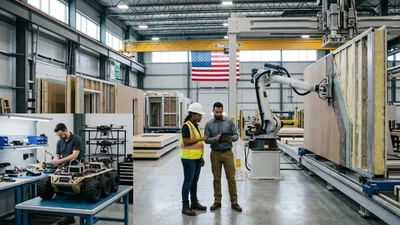
Keep your powder dry, but don't stop looking for the right entry points. The public markets are jittery, but the early-stage and private deal flow is where the structural shifts are happening. When macro narratives get this messy, I prefer to look at tangible, domestic-focused innovations—like advanced construction tech, panelized building systems, or B2B platforms that actually save operators time and money. Focus on the fundamentals, pour yourself a good glass of Italian wine, and let the panic-sellers make the mistakes.