As we step into the trading week of July 20, 2026, the overarching narrative is shifting. We are entering a rare pocket of macroeconomic silence, but that quiet is about to be shattered by a jam-packed Q2 corporate earnings roster.
With the Federal Reserve currently in its blackout period ahead of the July 28-29 FOMC meeting, market participants are starved for fresh central bank commentary. In its place, the fundamental health of the market's biggest players will dictate the momentum. Here is what is moving the needle this week.
Key Indicators to Watch
1. The Big Tech Earnings Gauntlet
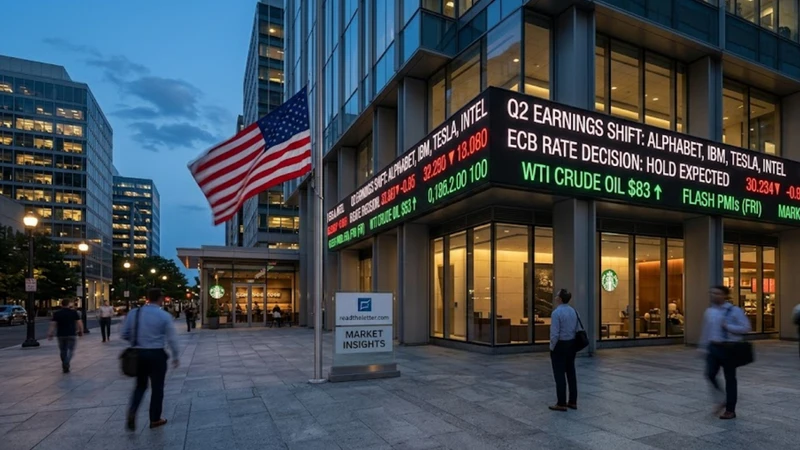
The macroeconomic calendar may be light, but the earnings calendar is exceptionally heavy. The consensus among analysts implies Q2-2026 operating EPS growth for S&P 500 companies is tracking around a robust 22.9% year-over-year. Wednesday will be the busiest session of the week, with massive bellwethers like Alphabet, IBM, Tesla, and GE Vernova reporting, followed by Intel on Thursday.
The risk here isn't necessarily a wave of earnings misses; it’s the fact that analyst expectations are already sky-high. Investors should pay close attention to forward guidance, particularly regarding hyperscaler capital expenditures and timelines for new data center build-outs. Any scaling back of these investments could trigger a swift repricing in the tech sector.
2. The European Central Bank (ECB) Decision
On Thursday, the European Central Bank steps up to the plate. The broad expectation is that the ECB will hold its policy rate steady at 2.25% after last month's highly telegraphed 25-basis-point hike. Eurozone CPI indicators are tracking slightly below the ECB’s baseline forecasts, giving them room to pause. The press conference that follows will be scrutinized for hints of future easing, which will have immediate ripple effects on the EUR/USD cross.
3. Geopolitical Heat and Energy Markets
Global markets continue to process the ongoing conflict in the Middle East and its disruptions to the Strait of Hormuz. West Texas Intermediate (WTI) crude settled in the low $80s last Friday, with Brent hovering around $88, following multiple nights of US strikes against Iranian targets.
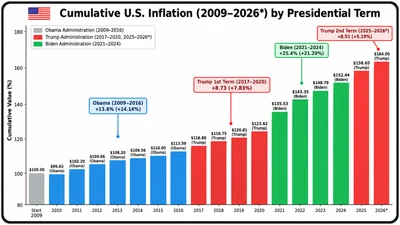
Energy prices remain elevated, maintaining persistent pressure on borrowing costs and acting as a stealth tax on consumers. The market may be demonstrating a degree of complacency regarding the risk of further escalation in the Gulf—any sudden spikes in crude could rapidly alter the inflation math going into the Fed's meeting next week.
4. Friday’s Flash PMIs
The week closes out with July Flash Purchasing Managers' Index (PMI) readings from the US, Eurozone, UK, and Japan. Last month, the US showed a distinct growth advantage over Europe. If Friday's PMIs reinforce the narrative of US economic exceptionalism, expect the US Dollar to gain significant upside traction.