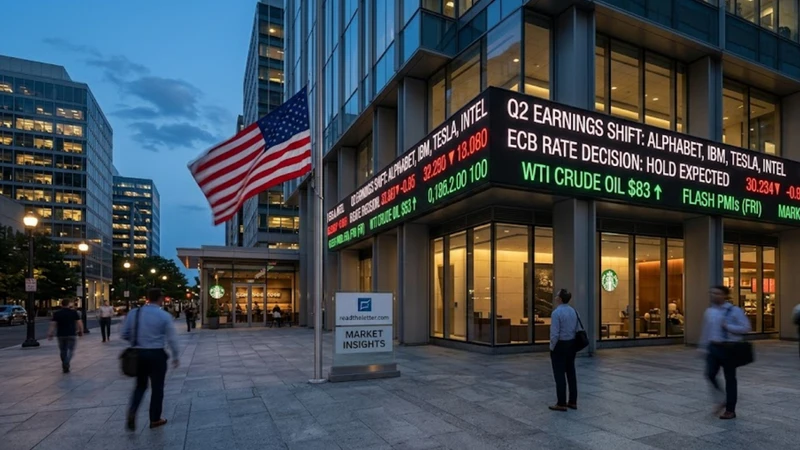
The market is currently being driven by a massive capital expenditure cycle in AI infrastructure. We are seeing hyperscalers pour roughly $800 billion into data centers, power grids, and networking equipment this year alone. This spending is driving robust corporate earnings, with the S&P 500 expected to see EPS growth of roughly 20-24% in 2026. Crucially, market returns are now being fueled by this actual earnings growth rather than price-to-earnings multiple expansion.
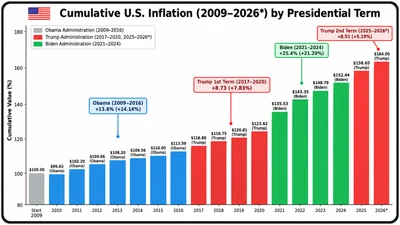
However, the macroeconomic environment remains unsettled. Geopolitical tensions in the Middle East are pushing oil prices higher, meaning inflation is proving stickier than anticipated. Because of this persistent inflationary pressure, the Federal Reserve is broadly expected to hold interest rates steady through the remainder of 2026, pushing any potential cuts into early 2027.
The Alternative Advantage: Private Credit & Infrastructure
With public equities highly concentrated in a handful of mega-cap tech stocks and interest rates remaining elevated, capital is aggressively flowing into alternatives.
This is an environment where private credit and alternative funding models (like fractional merchant cash advances) truly shine. Because traditional banks are facing heightened regulatory requirements and navigating a higher-rate environment, private credit is stepping in to offer compelling yield premiums over standard fixed-income. Furthermore, private infrastructure and tangible assets—from high-performance building systems to energy grids—are attracting heavy investment because they offer resilient, uncorrelated cash flows that act as a robust inflation hedge.
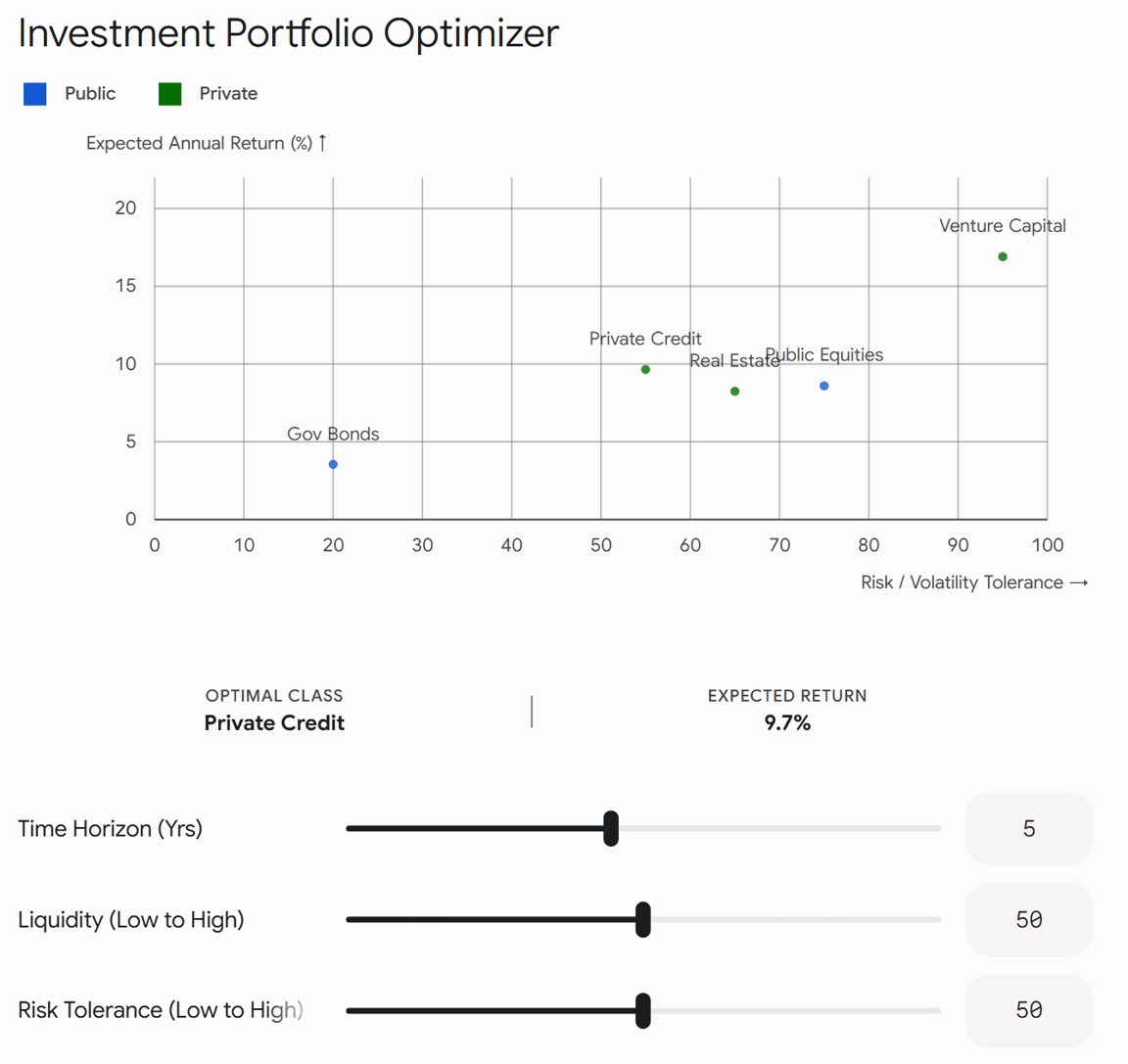
Key Insight: The premium you earn on private credit and alternative assets is largely a "liquidity premium." When you don't need immediate access to your capital, you can capture significantly higher yields than public markets offer.
Earnings Season Broadens Out
As Q2 earnings roll in, the most encouraging trend is the broadening of the market. While tech continues to lead, revenue and earnings growth are expanding into the mid-cap and small-cap spaces. The Russell 2000 is projecting upwards of 35% earnings growth for the year. Financials are also showing strength—for example, Huntington Bancshares just reported a 39% jump in net income quarter-over-quarter, driven by strong credit performance and higher net interest income.