For decades, “Made in America” was treated as nostalgia — a political slogan more than an economic strategy. Cheap overseas labor, globalized supply chains, and just-in-time efficiency ruled the day. That era is quietly ending.
What’s happening now isn’t a patriotic marketing push. It’s a structural shift.
Rising geopolitical risk, supply-chain fragility exposed by COVID, trade tensions with China, and national security concerns have forced companies and policymakers to rethink where things are made. Add generous federal incentives, tariffs, and tax credits, and suddenly domestic manufacturing isn’t just viable — it’s competitive.
But this new version of American manufacturing looks nothing like the factory floors of the 1980s.
Automation Is the Real Engine
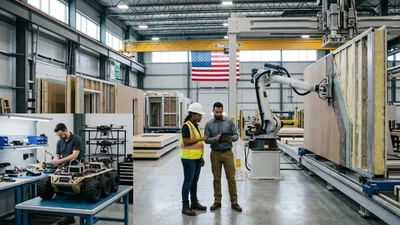
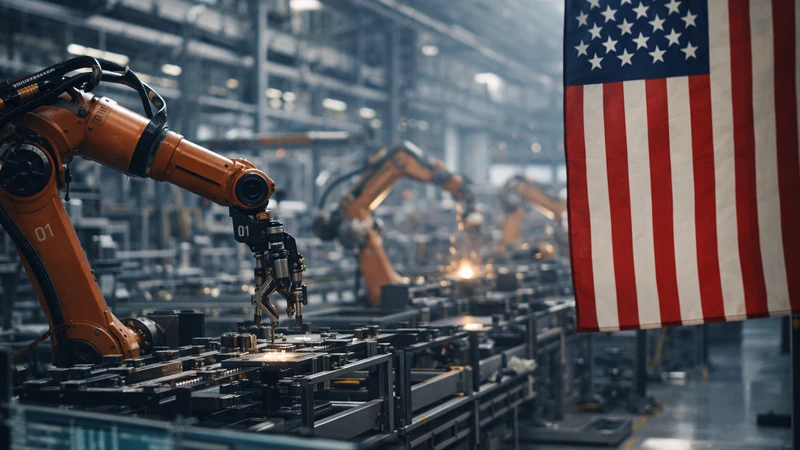
The biggest reason reshoring is possible isn’t cheaper labor — it’s smarter production. Robotics, AI-driven logistics, and advanced manufacturing systems allow companies to produce goods domestically with far fewer workers while maintaining consistency and scale.
Factories are becoming cleaner, quieter, and more capital-intensive. A modern U.S. plant may employ fewer people, but it produces more output per worker than ever before. That changes the math entirely.
Instead of chasing the lowest wages, companies are chasing reliability, speed, and control.
Supply Chains Are Becoming Strategic Assets
Executives no longer view supply chains as background infrastructure. They’re now treated as strategic assets — or vulnerabilities.
Domestic production shortens timelines, reduces shipping exposure, lowers inventory risk, and minimizes political uncertainty. When shipping lanes close or trade rules change overnight, companies with U.S.-based production sleep better.
That reliability has value — and markets are starting to price it in.
Consumers Are Reframing “Cost”
For consumers, “Made in America” increasingly signals something beyond patriotism. It suggests resilience, quality control, and availability. A product that costs slightly more but arrives on time and doesn’t disappear during the next disruption is often worth it.
As automation scales and robotics improve, that price gap continues to narrow.
The Bigger Picture
This isn’t about reversing globalization — it’s about rebalancing it. America isn’t trying to make everything again. It’s prioritizing what matters: semiconductors, energy, defense, infrastructure, and critical consumer goods.
For investors and policymakers alike, the rise of “Made in America” signals a longer-term realignment — one where efficiency is no longer measured by cost alone, but by control, resilience, and speed.