Tonight, as the President stands before a Joint Session of Congress, the atmosphere in the House Chamber will be charged with more than just political theater. For the Republican investor, the 2026 State of the Union (SOTU) serves as a critical tactical briefing. With the midterm elections on the horizon and the markets navigating a complex "low-growth, sticky-inflation" environment, tonight’s rhetoric will likely dictate capital flows for the remainder of the year.
The primary objective for the administration is to transition from the "emergency" posture of the first year toward a permanent statutory architecture. This shift from executive volatility to legislative stability is the "smart context" investors need to navigate the coming months.
Core Pillars to Monitor
1. The "Affordability" Pivot: Housing & Finance
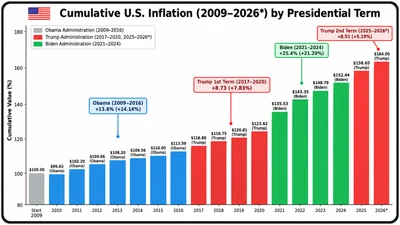
The administration is aware that the "cost of living" remains the primary hurdle for the 2026 GOP platform.
- Mortgage Market Liquidity: Watch for a directive to Fannie Mae and Freddie Mac to expand their balance sheets to purchase mortgage-backed securities (MBS). This is an attempt to force mortgage rates lower without waiting for the Federal Reserve.
- The Directive: If the President emphasizes a "Homeownership for Workers" initiative, it signals a bullish environment for major homebuilders but introduces new risk parameters for regional banks sensitive to yield curve shifts.
2. The Tariff Evolution: From Orders to Statutes
Following recent judicial challenges to executive emergency powers, the President is expected to signal a "Legislative Firewall" for trade.
- Trade Tool Selection: Listen for a shift toward Section 122 of the 1974 Trade Act. Unlike emergency declarations, this provides a more stable legal footing for the 15% global baseline tariff.
- Investor Direction: A focus on Section 301 (unfair trade) or Section 232 (national security) suggests a targeted approach that favors domestic manufacturers and steel/aluminum producers over broad-market retailers.
"The central theme for tonight is the 'Institutionalization of America First.' The goal is to move trade and energy policies from the President’s desk into the U.S. Code, creating a permanent, pro-growth floor for the American economy."
3. The AI-Energy Nexus
The "America at 250" vision hinges on technological hegemony, which requires massive, cheap power.
- Permitting Reform: The President is expected to tout the SPEED Act. Investors should look for specific mentions of small modular reactors (SMRs) and natural gas pipeline streamlining as the "fuel for the AI revolution."
- Smart Context: This creates a symbiotic investment thesis: as Big Tech (Nvidia, Microsoft) demands more compute, the Utilities and Energy sectors become the essential infrastructure play.
4. Digital Assets and the Dollar’s Defense
With the GENIUS Act already providing a framework for stablecoins, tonight may provide a glimpse into the CLARITY Act.
- The Goal: Legitimizing digital assets not as a replacement for the dollar, but as a digital extension of U.S. financial power.
- Direction: This remains a "high-beta" play, but a presidential endorsement of the CLARITY Act could bridge the gap between speculative crypto and mainstream institutional finance.