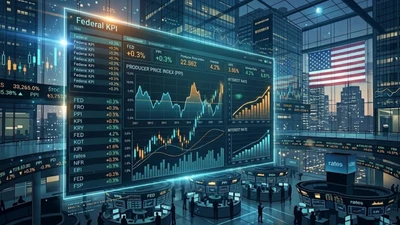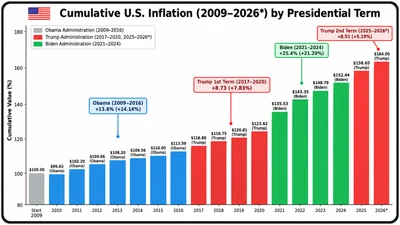
If you’re a Republican investor right now, the worst mistake you can make is confusing volatility with danger.
Markets are jumpy. Headlines are loud. Algorithms are twitchy. And everyone on cable TV is paid to sound panicked. None of that means capital is unsafe—but it does mean discipline is being tested.
Volatility is what happens when uncertainty meets leverage. Today’s uncertainty isn’t just rates or earnings. It’s geopolitics, trade realignment, election-year noise, and a growing disconnect between the real economy and financial markets. That combination creates sharp moves up and down, often disconnected from fundamentals.
For long-term investors, that isn’t a warning sign. It’s an opportunity signal.
"Volatility doesn’t destroy wealth—it transfers it from the impatient to the disciplined."
What Republican Investors Should Be Watching Closely
First, policy-driven volatility. Trade announcements, tariffs, and reshoring incentives are moving entire sectors overnight. This isn’t random. It’s capital being re-priced around national interest.
Second, rate sensitivity. Markets are hypersensitive to anything that suggests “higher for longer.” Even solid economic data can trigger selloffs if it threatens the timing of rate cuts. That reaction creates mispricing in otherwise healthy businesses.
Third, crowded trades unwinding. Passive investing pushed too much money into too few names. When fear hits, exits get narrow. That’s when fundamentals start to matter again.
How to Smooth the Ride Without Sitting on the Sidelines
You don’t need to time the market. You need to structure for it.
Favor cash-flow-first assets. Businesses that generate real income act as shock absorbers when markets get emotional.
Follow where capital is being forced, not where it’s fleeing. Policy doesn’t whisper. It allocates.
Use volatility to upgrade quality, not chase rebounds.
And keep dry powder—not out of fear, but for flexibility. The best entries usually feel uncomfortable.