The shift in the investment world isn’t just a boardroom drama for the 1%; it is a fundamental restructuring of how wealth is built and protected. For the average investor who has spent the last decade riding the wave of "growth at any cost," the ground is shifting beneath your feet.
Here is the deep dive into the second layer of the trench.
The Democratization of the "Hard World"
For years, the individual investor was locked out of the most lucrative sectors—defense, heavy robotics, and proprietary infrastructure—because they were the playground of massive private equity firms. That is changing. We are seeing a surge in fractionalized private equity and specialized ETFs that focus on "Onshoring and Automation."
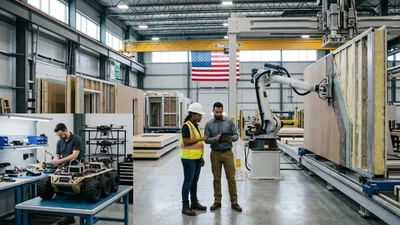
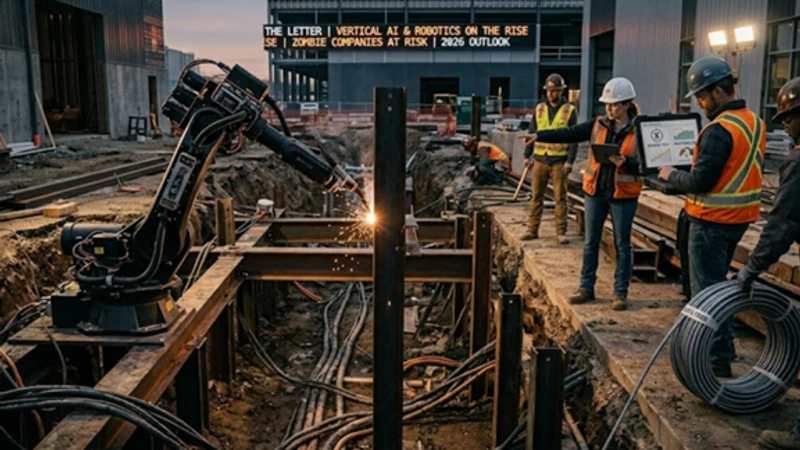
If you are an average investor holding a portfolio heavy on legacy tech, you are essentially betting on the past. The "Atoms-based" trend affects you because it’s shifting where the dividends are. Companies that can automate physical labor (like pressure washing, delivery, or construction) aren't just saving on costs; they are creating a massive buffer against inflation. When labor costs rise, the company with the robot fleet wins.
The "Zombies" in Your 401(k)
There is a silent crisis in the public markets: the "Zombie Company." These are firms that can only pay the interest on their debt but never the principal. In a low-interest-rate world, they survived. Today, they are beginning to starve.
"The retail investor is moving from a 'buy and hold' strategy to a 'seek and harvest' strategy. In a volatile market, the winner isn't the one who holds the longest, but the one who recognizes liquidity when it knocks."
For the retail investor, this means the era of "indexing and chilling" is under threat. A standard S&P 500 index fund is now more concentrated in a few mega-cap names than ever before. If those few "AI Darlings" have a correction, the average person’s retirement account takes a disproportionate hit. You are no longer diversified; you are tethered to a handful of high-wire acts.
The Rise of the "Secondaries" for the Rest of Us
Previously, if you invested in a startup or a local business, your money was "dead" until an IPO or a total sale. As mentioned, we are now in the Age of Secondaries. New platforms are allowing individual investors to trade their private shares before a company goes public.
This creates a "liquidity ladder." You no longer have to wait 10 years for a "unicorn" exit. You can exit 20% of your position after three years to a secondary buyer. This lowers the risk bar for the average person to participate in early-stage growth, but it requires a "vulture" mindset—you have to be willing to sell when the hype is high, rather than waiting for a bell-ringing ceremony that may never come.